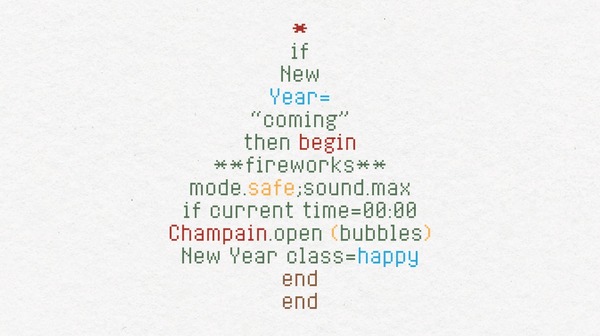
The Lazy Programmer
An Ode to Efficiency and (Occasional) Chaos

Programming is supposed to be hard. But a lazy programmer? They’re the ones making it look hard—while secretly finding shortcuts to shave off a few minutes, automate every repetitive task, and, sometimes, just barely avoid setting the whole project on fire. This is the ultimate guide to the lazy programmer: their quirks, the “benefits” (and very real risks), and how they can survive without accidentally blowing up the codebase.
What Really Makes a Lazy Programmer?
“Lazy” doesn’t mean what it used to. In coding circles, lazy programmers are not just slackers—they’re pioneers of “maximum efficiency for minimal effort.” And, I won’t lie, I’m one of them. Here’s what we’re dealing with:
Automate All the Things!: If I can do it once, I’ll code it; if I have to do it twice, I’ll write a script; and if I need to do it three times, I’m handing it over to a bot. (Once, I even automated my coffee order. It didn’t work… but I tried.)
Shortcut Heroes: From keyboard shortcuts to one-liner hacks, I’ve mastered the sacred art of not touching the mouse. “If there’s a shorter way to do it,” I think, “it’s practically unethical not to use it.” I mean, is it really programming if you’re not shaving off seconds every day?
The “It Works, Don’t Touch It” Philosophy: If the code works, well, then… it works! Testing? Pffft. What’s the worst that could happen? Just don’t breathe on it too hard. (I still have a piece of code somewhere that’s “working” and totally undocumented… pray for future-me.)
So yes, the lazy programmer has skills—but we also walk a fine line between efficiency and complete chaos.
The Dangers of Being a Lazy Programmer
1. The 2 AM “Mystery Bug”: When I shortcut my way through setup, my code may run perfectly on my machine but nowhere else. Then I find myself staring at lines of uncommented code, wondering why I ever thought “efficiency” was a good idea. Spoiler: future-me regrets it every time.
2. Missing Out on Growth (a.k.a. The Comfort Zone Trap): Laziness is the enemy of leveling up. I can dodge new tools or methods like a pro because they take extra effort. But then I’m stuck using last decade’s toolkit while everyone else has leveled up their wizardry. (I’m working on it… slowly.)
3. The Snowball of Doom (Technical Debt): My quick hack that “just works” in the prototype? It’s probably a time bomb. Someday I’ll be the developer (probably me in six months) wondering, “What monster wrote this code?” Spoiler alert: it was me.
4. Deadline Drama: Lazy programmers are masters of the last-minute rush. I like to think of it as a game show—the deadline looms, panic mode activates, and suddenly it’s all about not blowing up the codebase just enough to deliver on time. Am I sweating? Absolutely.
Overcoming Unproductive Laziness
Lazy programmers can still change their ways (no, really). Here’s how I’ve been trying to convert that chaotic energy into something mostly productive:
1. Micro Goals, Macro Wins: I’ve learned to break down tasks into tiny, do-able bits. Each one I check off feels like a tiny victory, keeping me just motivated enough to continue. Sure, sometimes the “reward” is a cookie, but a win is a win, right?
2. Automate… Thoughtfully: Look, I’ve automated things before that nearly took out my whole project—so now I’ve learned to double-check that the script doesn’t delete everything I care about. Using my powers for good instead of (unintentional) evil is the name of the game.
3. Create a Learning Ritual: I treat learning new things as my sacred five minutes each day. It doesn’t sound like much, but hey, progress! Expanding my “spellbook” with something cooler than a fireball has actually paid off.
4. Make Friends with Testing and Comments: This one took me a while. Now, I try to see documentation and testing as future-me’s lifeline. After a few too many 2 a.m. panic moments, I’ve come around to the fact that clear comments are just common decency… for my own sanity if nothing else.
5. Embrace the Workflow of the Non-Lazy: A little structure in my day goes a long way. Simple to-do lists, occasional Kanban boards, even reminders to actually test my code—these make a big difference. And somehow, it even feels good? Wild.
Conclusion: Channeling Lazy Genius
Lazy programmers don’t have to be doomed to debug purgatory. If I can channel my inner efficiency with a dose of responsibility, anyone can! Because let’s face it, the world could use more clever, efficient code—and fewer late-night “mystery bugs.”
Now go forth and be just the right amount of lazy. Future you (and your code reviewers) will thank you.
Comments
Join the discussionthoughtful
Yes that's true. Thank you for reading and look out for more posts😊🙏
Nicely communicated. The key is to find the balance while trying to write efficient codes by utilising comments, documentations so anyone can understand what your code does. Thanks for sharing